Crypto Right Now Feels Like Crossing the Sahara Desert
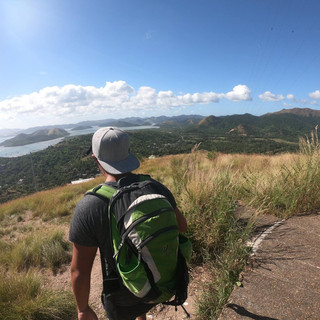
If you’re watching crypto from the sidelines right now, you might feel confused — or even a little worn down.
No big headlines. No dramatic crashes. No obvious signals telling you what to do.
Just days that blur together, prices that move a little… then don’t.
That doesn’t mean something is wrong.
It means we’re in a part of the journey that feels less like a race and more like crossing the Sahara Desert.

The desert has no landmarks
In most markets, people expect landmarks:
clear breakouts
obvious crashes
moments where everyone agrees something is happening
Deserts don’t offer that.
The ground looks the same day after day. The horizon never seems to get closer. You keep walking, but progress feels invisible.
Crypto is in one of those phases.
Prices move a little, then stop. They dip, then recover.
Like sand dunes, progress isn’t flat or straight. You climb, slide back, then find yourself standing slightly higher than before — even if it doesn’t feel like it at ground level. Each dune looks like the last one. Only when you stop and look back do you realise you’ve gained elevation.
That’s not failure. That’s terrain.
The real danger isn’t loss — it’s disorientation
Most people don’t fail crossing deserts because they run out of strength.
They fail because they lose direction.
They:
change course too often
chase shapes on the horizon
assume they’re going nowhere because everything looks the same
Markets behave the same way.
A small rally looks like salvation. A pullback feels like defeat. A quiet week feels like nothing is happening.
These are mirages — emotional reactions created by heat, fatigue, and uncertainty.
The danger here isn’t losing money. It’s losing confidence in your bearings.
Boredom is the dehydration phase
This part of the market doesn’t test bravery. It tests endurance.
There’s no excitement to keep you motivated. No crowd energy. No one cheering from the sidelines.
That’s where people get mentally dehydrated.
They start checking prices too often. They start doubting their understanding. They start wondering if they should just “do something” to feel progress again.
Deserts don’t reward movement for the sake of movement. They reward steady direction.
Why this doesn’t look like the end
Here’s an important distinction:
Market tops are noisy. They’re crowded, emotional, and full of certainty.
This doesn’t feel like that.
This feels quiet. Flat. Slightly uncomfortable. A little exhausting.
That’s not how bubbles end. That’s how mid-journey deserts feel.
The market isn’t collapsing. It’s not celebrating either.
It’s just… existing.
The strange thing about sand dunes
Here’s the irony most people miss:
When you finally leave a desert, you don’t realise it immediately.
There’s no sign that says “you’ve made it. ”No dramatic shift. No announcement.
You just notice one day that the ground feels firmer. The air feels different. The horizon changes almost without warning.
Crypto often works the same way.
People rarely spot the moment things turn. They recognise it later, looking back, saying:
“That’s when it changed.”
Why this matters if you’re new or watching from the sidelines
Right now:
attention is on global events and conflict
crypto isn’t dominating headlines
nothing feels urgent
That can be frustrating — but it’s also healthy.
Deserts are where people learn:
patience instead of prediction
observation instead of reaction
direction instead of noise
If you’re new, this phase gives you something valuable: time without pressure.
Time to learn. Time to watch. Time to understand how crypto actually behaves — not how it’s sold during hype cycles.
Final thought
You don’t cross deserts by sprinting. You don’t survive by chasing mirages. And you don’t make progress by constantly checking how far you’ve come.
This part of the crypto journey feels dry. Repetitive. A little demoralising at times.
That doesn’t mean nothing is happening.
It means you’re walking through the part where progress is measured not by excitement — but by staying the course while everything looks the same.
Sometimes the hardest thing isn’t knowing where you’re going.
It’s trusting that you’re still moving…even when every step feels like sand.


Comments